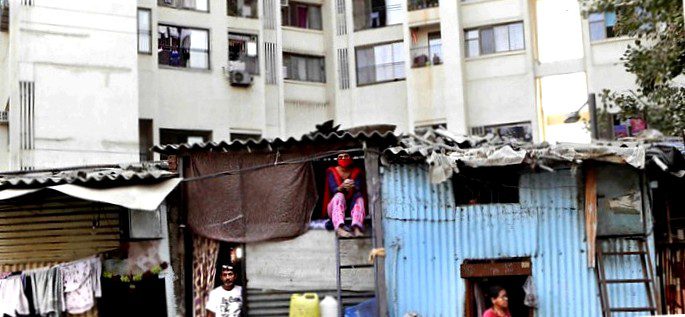
Coronavirus – Worldwide – People in developing countries have less to eat due to the coronavirus pandemic and many children can no longer go to school. Incomes are falling and debt is rising, according to a 2015 study by the NGO network Alliance.
Nearly one in two women and more than one-third of men have less and lower quality food available for themselves and their families, Alliance 2015 writes in the study released Wednesday. The network includes eight European non-governmental organizations (NGOs), including the Swiss development organization Helvetas.
Around three quarters of respondents said they have less money because of the pandemic. Many can no longer earn a living as casual laborers in the informal sector. They also receive fewer remittances from relatives at home and abroad, as a good three-quarters of respondents said.
Many go into debt. More than two-thirds of respondents had to borrow money or could only buy on credit as a result of the pandemic. Some people sold their livestock or their already small land parcels out of lack of money. The vast majority of respondents are more worried about the future than before the pandemic.
Alliance 2015 asked 16,000 men and women in 25 countries on four continents between October and December how the coronavirus pandemic was affecting their daily lives. People in cities, slums, rural areas and refugee camps were surveyed.
No money for seeds
Nearly three-quarters (72 percent) of farmers surveyed earned less because of the pandemic. Not only were they struggling to sell their produce, many could not afford to buy seeds.
"If not planted at the right time, it cannot be harvested later," Rupa Mukerji, co-author of the study and Helvetas executive committee member, told the Keystone-SDA news agency. That leads to further loss of income and shortages in the food supply. Helvetas has distributed seeds to farming families in several countries as emergency aid and also helps to obtain microcredits.
Children must work
The situation is also precarious for children. Two out of three school children were unable to attend school, at least temporarily, because it remained closed for months and there were no alternative learning opportunities.
"Frighteningly, more than a quarter of respondents fear they will not be able to send their children to school if it is reopened," Mukerji said. Children not only missed a lot of school, but also had to help with childcare, field work and other chores due to the increased need in the household.
There is a lack of water and soap
The vast majority of women and men surveyed were aware of protective measures against infection with the coronavirus, such as frequent hand washing (87 percent) and mask wearing (81 percent).
However, they had limited opportunities to also comply with the protective measures. Because there is often a lack of water, toilets, soap, disinfectants and masks. Tight working and living conditions also hinder poor people's ability to keep their distance.
Alliance 2015 is helping people to produce soap, disinfectants and masks locally, among other things. This could also create local income opportunities. Helvetas, for example, trains vocational school graduates to make good quality reusable fabric masks – also using ETH expertise.